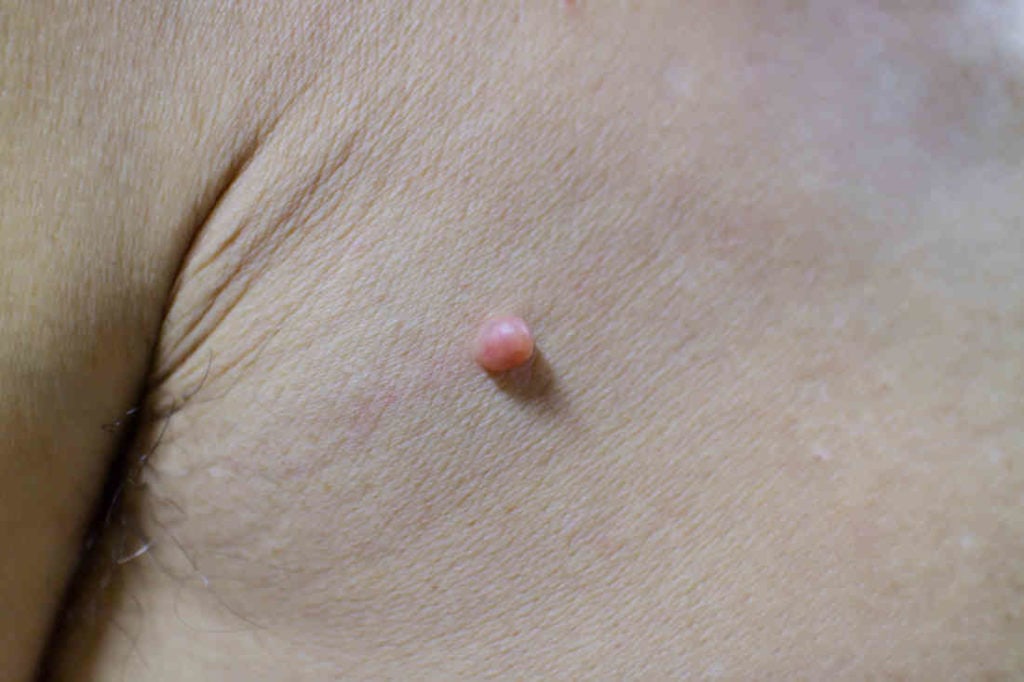
Skin tags are small, non-cancerous (benign) growths that frequently occur. Skin tags are small, non-cancerous (benign) growths that often form on the neck, armpits, groin, and in the body’s folds, such as the eyelids and between the thighs.
Although typically harmless, many people opt to have them removed due to cosmetic reasons or discomfort.
A common question is whether skin tag removal will leave a scar. This in-depth guide will delve into the substance, providing you with all the thought-provoking information to digest should you be pondering skin tag removal.
Skin tags are one of the most common skin complaints, affecting millions of people worldwide. While they are harmless and often painless, their presence can be unsightly. If you’re considering professional removal of skin tags, one of the most pressing questions you may have is whether or not there will be scarring.
At LA Lipo, we specialise in several non-surgical skin treatments, with skin tag removal just one such treatment. Here, we’ll explore the causes of skin tags and removal approaches, as well as the likelihood of scarring.
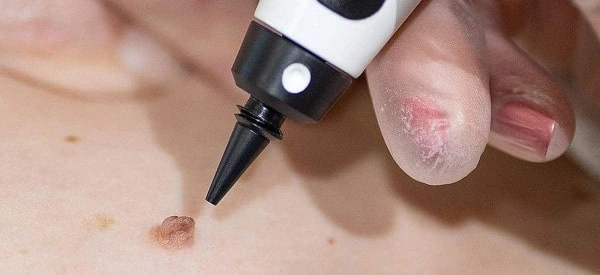
We offer Skin Tag Removal Service Using Non-Invasive Cryopen.
What Are Skin Tags?
Causes and Characteristics
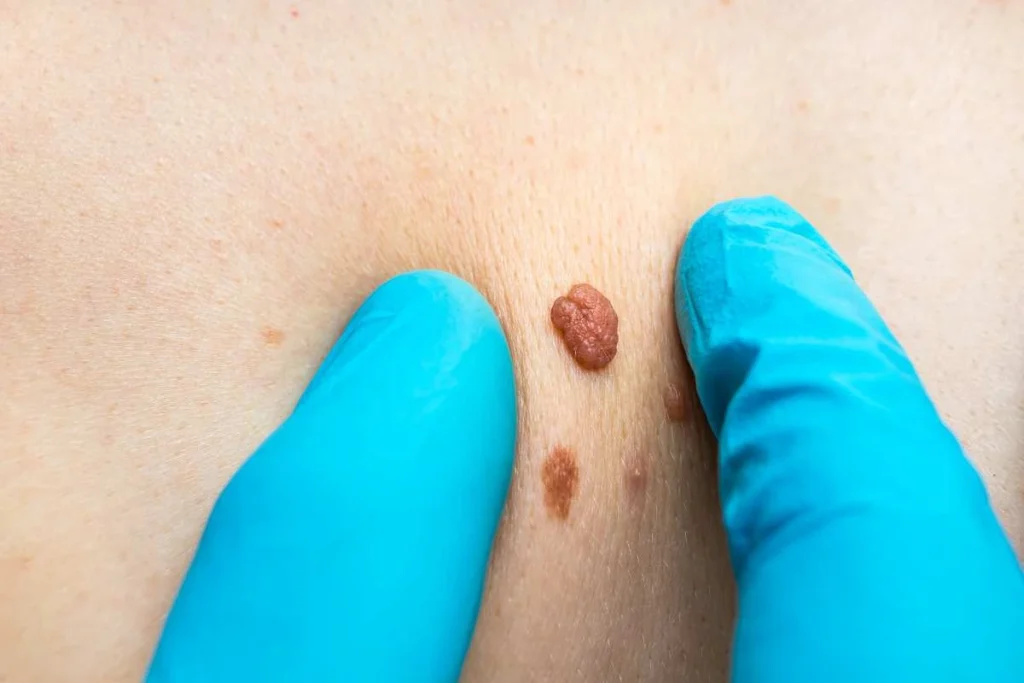
Overview: Skin tags are small, soft pieces of skin that hang off the surface of the skin. They’re made up of slack collagen fibres and blood vessels surrounded by skin. Skin tags come in a range of sizes and are usually flesh-coloured or a little darker. They typically develop in the neck, armpits, groin, and under the breasts.
Why Do Skin Tags Form?
Though the exact cause of skin tags is unknown, several factors can contribute to their development:
- Friction. Skin tags tend to form in the creases of the skin, where the skin rubs against other skin or clothing.
- Genetics. If you have a family history of skin tags, you are more likely to get them.
- Hormonal Variation. Pregnant women and persons with disturbances in hormones are at risk of developing skin tags.
- Obesity. Obesity, which is associated with increased skin friction, can contribute to the development of skin tags.
How to Remove Skin Tags
Depending on your comfort level, there are several options for removing skin tags, ranging from home remedies to medical procedures. Here, we will illustrate some of the most efficient clinical techniques.
Cryotherapy: In this procedure, the skin tag is frozen with liquid nitrogen, and then it falls off naturally. This method, although quick and relatively painless, might temporarily discolour the skin. Cryotherapy is FDA-approved.
Electrosurgery
An electric current is passed through a wire, which burns the skin tag. It is very effective, but local anaesthesia may be necessary.
Excision
Removal involves snipping the skin tag with a surgical blade or a pair of scissors. It’s a simple procedure that is often done under local anaesthesia.
Ligation
Ligation: A ligature or suture is tied around the base of the skin tag to cut off its blood supply, causing it to fall off over time.
Laser Removal
Laser Tag Removal: The laser removal process involves destroying the skin tag using concentrated light energy. This technique is accurate and minimises scarring.
Cryotherapy Non-Invasive Skin Tag Removal
Will I have a scar after Skin Tag Removal?
Factors Influencing Scar Formation
Multiple things can affect whether or not you will have a scar with removal:
Method of Removal
Some methods, such as laser removal, are less prone to scarring than others, like excision.
Size and Location
In areas with thinner skin, such as larger skin tags, they are more susceptible to scarring.
Aftercare
It is essential to have good aftercare to prevent scar formation. Following your provider’s instructions on wound care can make a significant difference.
Minimising the Risk of Scarring
Choose the Right Method
Consult with a professional to determine the best removal method for your specific situation.
Follow Aftercare Instructions
Keep the Area clean and avoid picking at the wound. Your provider may recommend topical ointments to promote healing.
Professional Treatment
Seek treatment from a qualified professional, such as those at LA Lipo, to ensure the procedure is performed correctly and safely.
Factors Influencing Scarring
Several factors can influence whether skin tag removal will leave a scar:
- Method of Removal: As mentioned, some methods are more likely to result in scarring than others.
- Size of the Skin Tag: Larger skin tags are more likely to leave a mark than smaller ones.
- Location: Areas with thin skin, such as the eyelids, are more susceptible to scarring.
- Aftercare: Proper aftercare is crucial in minimising scarring. It includes keeping the Area clean, avoiding picking at the scab, and using recommended ointments.
FAQs: Does CryoPen Skin Tag Removal Leave a Scar?
1. Will CryoPen treatment leave a scar?
In most cases, no visible scar is left behind. Cryotherapy methods like CryoPen are considered low-risk when performed by trained professionals, and deep scarring is unlikely. However, superficial changes in pigmentation (lighter or darker skin) may occur temporarily.
2. What factors influence whether a scar might form?
Scarring risk depends on factors such as:
- The size, depth and thickness of the skin tag or lesion
- How aggressively the freezing is applied
- The site on the body (some areas heal more sensitively)
- Skin type and individual healing tendencies
- Whether there is secondary damage (e.g. infection, picking at scabs)
3. What is the healing process after CryoPen treatment?
- Initially, the treated area may blister, swell or redden.
- Over days, a scab or crust forms; you must not pick or disturb it.
- The scab typically falls off naturally after a week or a few weeks.
- Underneath, new pink skin appears, which gradually re-pigments over time.
4. Can pigmentation changes look like scarring?
Yes. Sometimes, the area may appear paler (hypopigmentation) or darker (hyperpigmentation) than the surrounding skin.
These pigmentation changes usually fade over weeks to months in many cases.
5. How does CryoPen compare to surgical removal in terms of scarring risk?
CryoPen (a cryotherapy method) is generally less invasive than surgical excision and therefore carries a lower risk of noticeable scarring.
Surgery involves cutting and may leave linear scars or require stitches, which increase scar risk in many patients.
6. What precautions reduce the risk of scarring after CryoPen?
- Follow aftercare instructions carefully (keeping the area clean, avoiding picking, protecting from the sun)
- Use sun protection (SPF) over healing skin to minimise pigment changes that may resemble scarring.
- Avoid aggressive treatment in delicate areas; experienced practitioners will often tailor freezing intensity to minimise damage.
- If a blister forms, don’t puncture it. Keep it protected to reduce the risk of infection, which could lead to scarring.
7. What should I do if the treated area hasn’t healed or seems abnormal?
If the area has not healed after 6 weeks, or you see signs such as increased redness, persistent pain, or abnormal discolouration, you should consult your clinician or dermatologist.
8. Are there any rare risks of scar formation with CryoPen?
Yes, although rare, scarring can happen under certain circumstances:
- If the treated lesion is very large or deep
- If infection occurs
- If the patient has a predisposition for keloids or hypertrophic scars
- If the blister or scab is damaged (picked or traumatised) during healing
Minimising Scarring After Skin Tag Removal
To reduce the risk of scarring, follow these aftercare tips:
- Follow Doctor’s Instructions: Adhere to the aftercare instructions provided by your healthcare professional.
- Keep the Area Clean: Clean the Area with mild soap and water to prevent infection.
- Avoid Scratching or Picking: Allow the scab to fall off naturally to avoid worsening the scar.
- Use Scar Treatment Products: Consider using silicone gel or sheets, which are known to reduce scarring.
- Protect from Sun Exposure: Apply sunscreen to the treated Area to prevent hyperpigmentation.
Expert Tips from LA Lipo
At LA Lipo, we prioritise your skin’s health and appearance. Here are some expert tips to ensure a smooth recovery:
- Consult with Professionals: Always seek advice from qualified practitioners before undergoing skin tag removal.
- Choose the Right Method: Discuss with your practitioner the best removal method based on your skin type and the location of the skin tag.
- Monitor Healing: Keep an eye on the treated Area and report any unusual changes to your doctor immediately.
- Hydrate and Nourish Your Skin: Proper skin hydration and nutrition play a significant role in the healing process.